


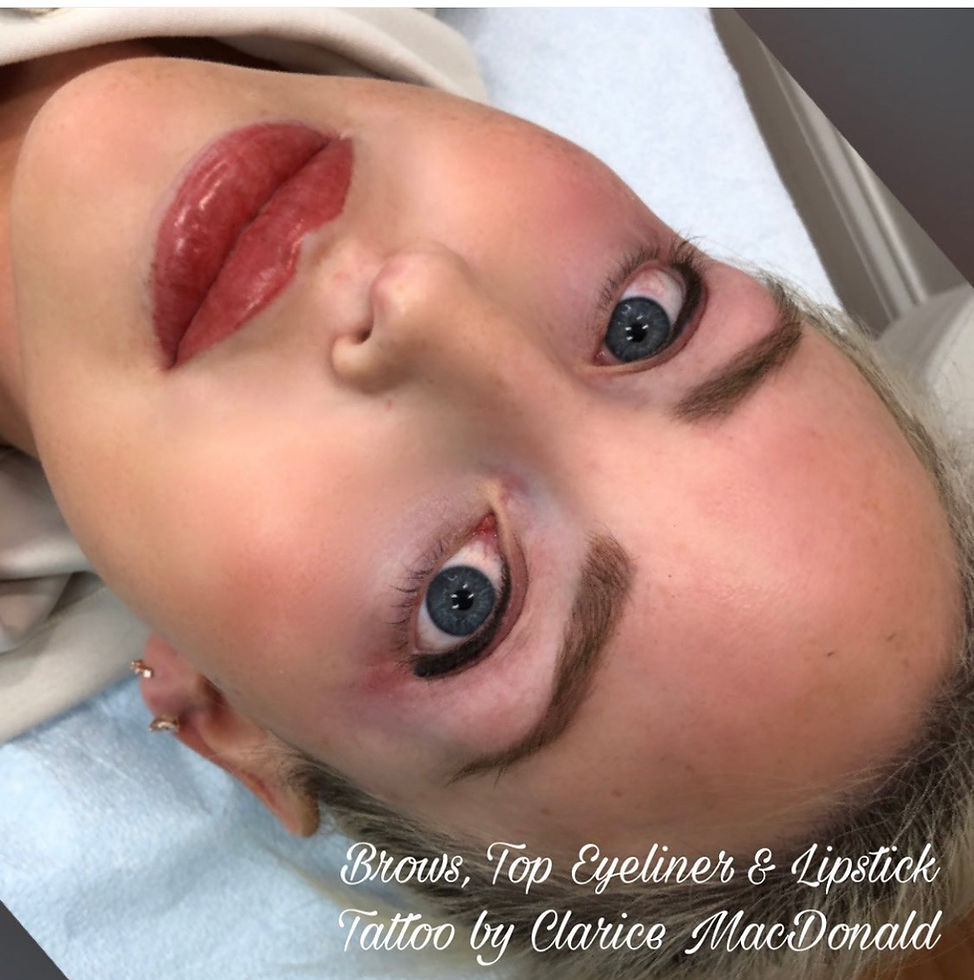
Microblading vs. Powder Brows vs. Ombre Brows: Which One Is Right for You?
Updated: Jul 16
Eyebrows have become one of the most requested areas of semi-permanent makeup,
and the terminology can get confusing fast. Microblading, powder brows, and ombre
brows are the three techniques you’ll hear about most often — and while they all fall
under the “brow tattooing” umbrella, they produce very different results, suit different
skin types, and require different levels of upkeep.
Here’s a breakdown of what actually separates them.
Microblading: The Hair-Stroke Technique
Microblading uses a handheld tool with a cluster of tiny needles to etch fine, hair-like
strokes into the skin’s upper layers. The pigment sits shallower than a traditional tattoo,
which is why it’s classified as semi-permanent rather than permanent.
Best for: People who want a natural, “I was born with great brows” look, especially
those with little to no existing brow hair.
Watch out for: Oily or acne-prone skin. Excess oil causes the fine strokes to blur or
fade unevenly over time, sometimes turning into a soft, smudged look faster than
expected.
Longevity: Typically 1–2 years.
Powder Brows: The Soft, Filled-In Look
Powder brows (sometimes called “ombre powder brows” in their softest form) use a
machine that deposits pigment, building up a soft, shaded effect similar to
filled-in brows with a pencil or powder makeup. There are no individual hair strokes —
the result is a uniform, airbrushed appearance.
Best for: People who already fill in their brows daily with makeup and want that same
finished look without the daily effort. It’s also a solid choice for oily or mature skin, since
the technique holds up better than fine hair strokes. Watch out for: If you want something that mimics natural brow hair, powder brows will
look more like makeup than individual hairs, even though it’s soft and diffused.
Longevity: Around 2–3 years, generally outlasting microblading.
Ombre Brows: The Gradient Hybrid
Ombre brows are a variation of the powder technique, but with a deliberate gradient —
lighter and softer at the front of the brow, gradually deepening to a more defined,
saturated color toward the tail. The overall effect sits between microblading’s softness
and powder brow’s boldness.
Best for: People who want definition and shape without a flat, single-tone block of
color. It also works well on most skin types, including oily skin.
Watch out for: Because it’s more saturated at the tail, it can look slightly bolder
immediately after the procedure before settling during healing.
Longevity: Similar to powder brows, roughly 2–3 years.
How to Choose
If your priority is looking like you simply have naturally full brows, microblading is the
classic choice — provided your skin type cooperates. If you already love a filled-in,
makeup-style brow and want low daily maintenance, powder brows are worth a look.
And if you want the best of both — natural softness up front with more definition at the
tail — ombre brows offer a nice middle ground.
Whichever you choose, always ask a prospective artist to see healed results (not just
fresh photos) on clients with a skin type similar to yours, since healing outcomes vary
more than the initial appointment photos suggest.
This article is for general informational purposes. Consult a licensed, experienced brow
artist to determine the best technique for your skin type and desired look
Comments